Green Energy Corridor: Assessing Solar Microgrids and Agricultural Energy Security
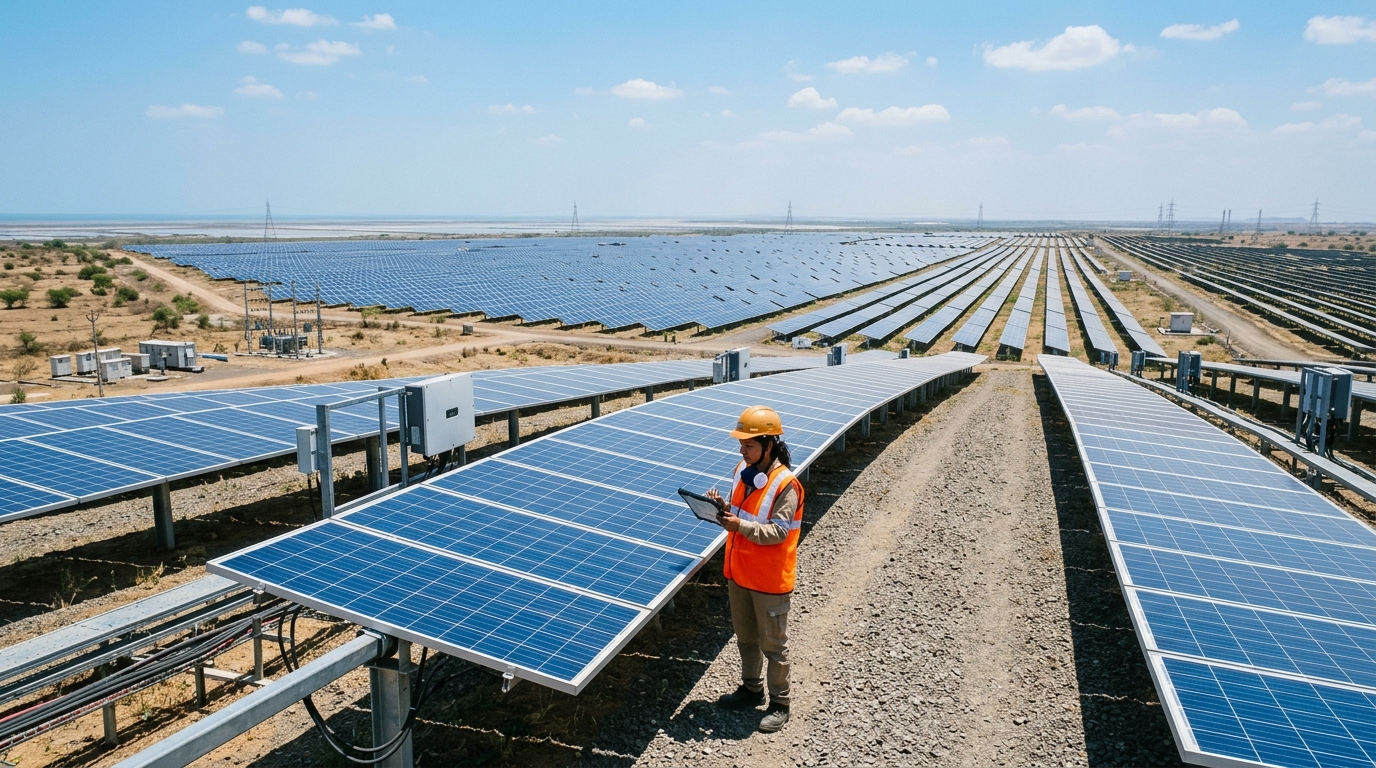
ARCHIVAL CITATION: Academic documentation related to Green Energy Corridor: Assessing Solar Microgrids and Agricultural Energy Security.
A field assessment across Gujarat and Rajasthan demonstrates that decentralized solar irrigation pumps have decoupled rural farmers from erratic diesel fuel expenditures.
Under the PM-KUSUM initiative, solar feeder solarization supplies reliable daytime three-phase electricity to agricultural tubewells, reducing groundwater depletion and boosting crop yields.
Integrated battery energy storage systems (BESS) stabilize local distribution transformers against transient voltage drops, enhancing power reliability for rural primary healthcare clinics.
"Clean energy is an instrument of agrarian empowerment and rural poverty reduction."
Agrarian economists estimate household annual savings of ₹38,000 per farming family from eliminated diesel pumping costs, reinvested into child education and agricultural mechanization.
Related Policy Monograph: