Public Transit Decarbonization: Assessing PM-eBus Sewa in Tier-2 Municipal Ecosystems
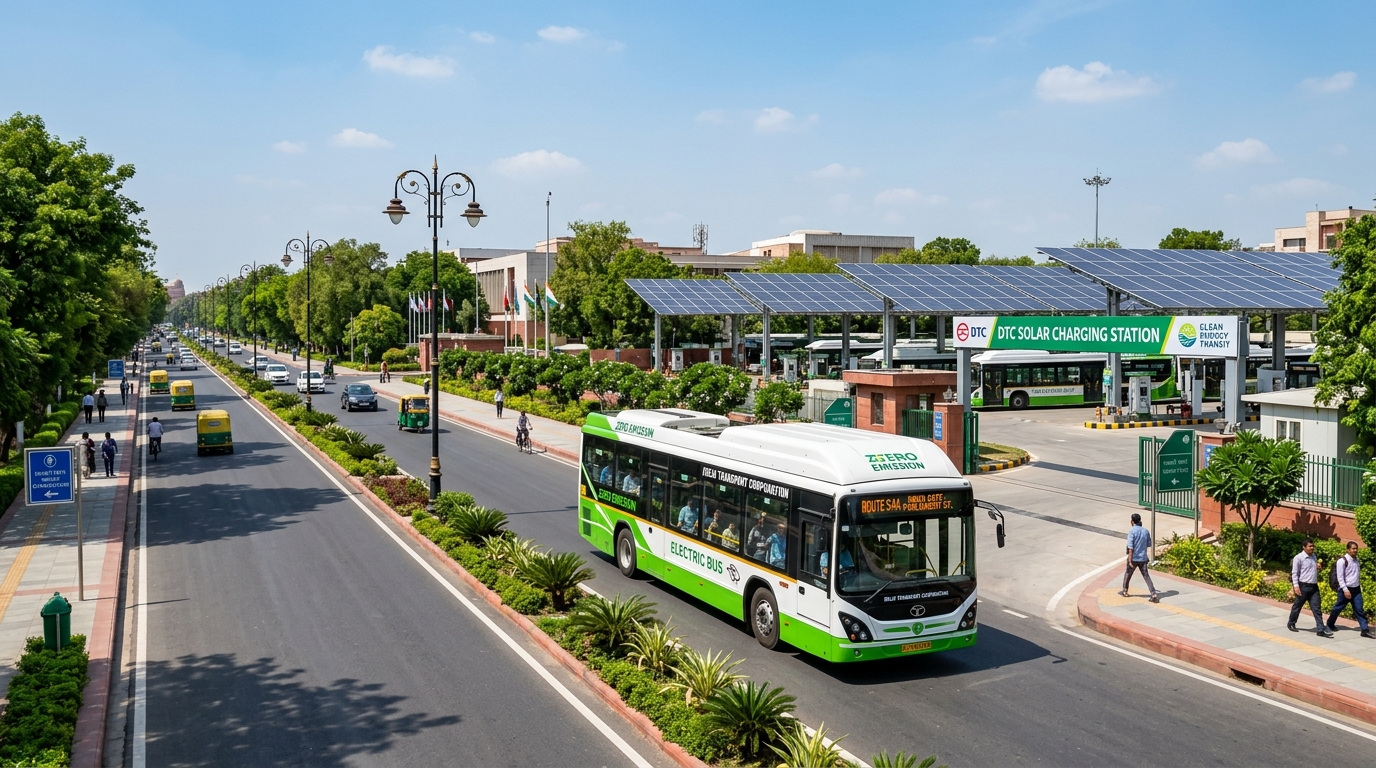
ARCHIVAL CITATION: Academic documentation related to Public Transit Decarbonization: Assessing PM-eBus Sewa in Tier-2 Municipal Ecosystems.
A field review of municipal electric bus operations across secondary urban centers reports measurable reductions in ambient urban particulate pollution.
Municipal transit agencies in Indore, Surat, and Belagavi report operating cost reductions of 40% per passenger-kilometer compared to legacy fossil fuel fleets.
Predictable electric bus timetables and low-floor accessible passenger designs have significantly boosted female transit ridership across urban secondary routes.
"Clean, affordable public transit is an essential component of urban social justice and environmental health."
The national program demonstrates that municipal decarbonization improves public respiratory health while reducing federal petroleum import dependencies.
Related Policy Monograph: